
The Pacific Innovation Forum for Climate and Environment (PIFCE) 1st - 3rd July, 2026



Brief overview
NextGen is a youth‑led platform that equips young people to engage meaningfully in climate action, advocacy, and regional dialogue across Pacific Island Countries and Territories. Its grassroots implementation is supported through SHIFT, a youth‑driven initiative focused on community‑based climate campaigns, both implemented with support from Save the Children. NextGen strengthens youth leadership, advocacy, and policy literacy, while drawing on evidence and lived experience generated through SHIFT activities. By linking grassroots climate action with national and regional platforms, NextGen ensures Pacific youth perspectives inform inclusive, locally grounded climate and environmental responses.
Your organisation’s goals
NextGen’s core services focus on strengthening youth leadership and participation in climate and environmental action across Pacific Island Countries and Territories. The initiative provides structured training in climate advocacy, policy engagement, and leadership, equipping young people to confidently engage with national, regional, and global climate platforms. NextGen supports youth to translate lived experiences and community realities into clear, evidence‑based messages that inform climate discussions and decision‑making.
At the grassroots level, these services are complemented by SHIFT, a youth‑driven initiative supported by Save the Children, which focuses on designing and implementing community‑based climate campaigns. Through SHIFT, young people engage directly with environmental challenges such as climate impacts, disaster risks, and community resilience, generating practical insights, data, and local evidence.
NextGen then bridges this grassroots action with advocacy pathways by enabling youth to apply evidence generated through SHIFT to influence dialogue, raise awareness, and shape policy narratives. Together, these services ensure climate action is youth‑led, locally grounded, and informed by Pacific realities. By connecting community‑level action, leadership development, and advocacy, NextGen strengthens inclusive and youth‑responsive approaches to climate and environmental challenges in the Pacific.
Describe your innovation
NextGen’s Youth Evidence‑to‑Advocacy Innovation Pathway is a youth‑driven approach that connects grassroots climate action with informed advocacy to strengthen Pacific youth engagement in climate and environmental decision‑making. The innovation links two distinct but complementary initiatives: NextGen, which focuses on youth advocacy and access to platforms, and SHIFT, a grassroots initiative supported by Save the Children that enables young people to design and implement community‑based climate campaigns.
Through SHIFT, young people identify climate and environmental challenges affecting their communities, such as climate‑related disasters, ecosystem degradation, and resilience gaps, and develop campaigns that generate tangible outputs, including community data, documented impacts, and locally grounded solutions. These outputs are intentionally structured to go beyond implementation and serve as evidence.
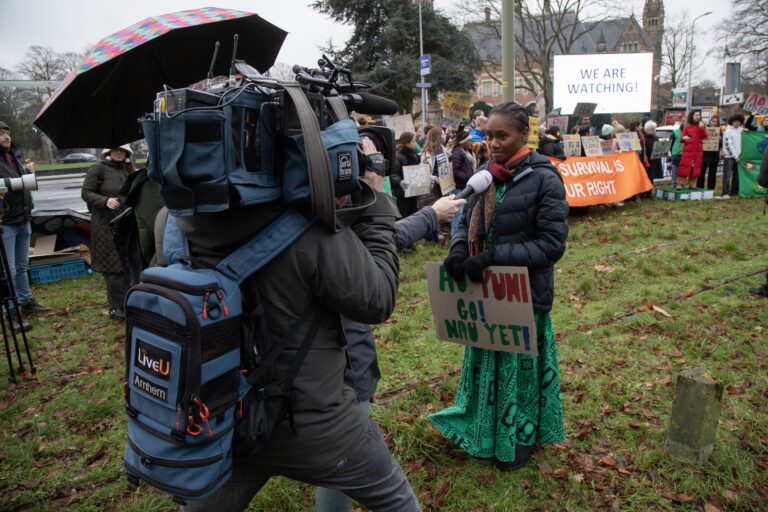
NextGen then equips youth with advocacy, policy literacy, and leadership skills and provides pathways to regional and international platforms. When participating in advocacy spaces, NextGen youth draw directly on evidence and lived experiences generated through SHIFT‑led campaigns. This ensures that climate advocacy is credible, context‑specific, and reflective of Pacific realities, rather than abstract or externally driven.
This innovation addresses climate change by strengthening adaptation and resilience at the community level while improving the quality and relevance of youth participation in climate discussions. It is especially relevant for Pacific Island Countries and Territories, where climate impacts are immediate, resources are limited, and youth voices are often underrepresented in policy spaces. By linking community‑level action with advocacy platforms, the Youth Evidence‑to‑Advocacy Pathway amplifies Pacific youth as informed contributors to climate solutions and supports locally driven, inclusive climate responses.
How is this solution is innovative?
NextGen’s solution is innovative because it intentionally links grassroots climate action with structured youth advocacy pathways, rather than treating community action and policy engagement as separate processes. Many youth initiatives focus either on awareness‑raising or high‑level advocacy; this model innovates by creating a continuous flow from community‑generated evidence to regional platforms. SHIFT enables young people to design and implement climate campaigns grounded in lived experience, generating tangible data, insights, and local knowledge. The innovation lies in how this evidence is then strategically utilised by NextGen, where youth are equipped with advocacy, leadership, and policy engagement skills and supported to present community‑based realities in formal decision‑making spaces. This approach strengthens the credibility and relevance of youth advocacy by ensuring it is informed by real climate impacts faced by communities, rather than abstract narratives. It also maximises limited resources by integrating two distinct initiatives into a single impact pathway. For Pacific Island Countries and Territories, where climate impacts are immediate and youth voices are often underrepresented, this model offers a scalable, locally grounded way to elevate informed youth leadership. By bridging action and advocacy, the solution contributes to more inclusive, context‑appropriate climate responses shaped by Pacific youth.
How can the innovation be replicated and scaled up in other PICTs?
NextGen’s innovation can be effectively replicated and scaled across Pacific Island Countries and Territories through a flexible, partnership‑driven model that adapts to local contexts. The approach relies on establishing institutional partnerships with youth networks, civil society organisations, faith‑based groups, and regional bodies already engaged in climate and youth work. These partners provide local anchoring while NextGen supports methodology, advocacy frameworks, and learning exchange.
Replication requires modest capacity inputs, including training youth facilitators in advocacy, leadership, and campaign documentation, and supporting community‑based climate initiatives through a grassroots mechanism such as SHIFT. Existing youth structures can be strengthened rather than creating new systems, making the model accessible and scalable.
The innovation can be financed through a blended funding approach, combining donor support, small grants for youth‑led campaigns, and collaboration with development and climate programmes seeking community‑rooted evidence and youth participation. Regional platforms can further support scale‑up by enabling peer learning and cross‑country exchange among youth leaders.
Because the model is evidence‑driven, youth‑led, and low‑cost, it is well suited to PICT contexts where resources are limited but community cohesion and youth leadership are strong. By embedding advocacy pathways within existing local initiatives, the innovation supports sustainable, locally owned expansion across the Pacific.
How is the solution cost‑effective and affordable in the context of Pacific Island Countries and Territories (PICTs)?
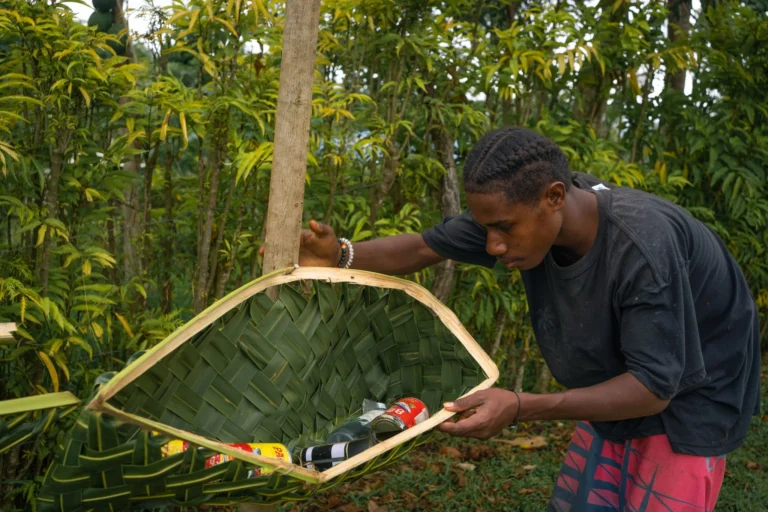
Yes, the solution is cost‑effective and affordable in the context of Pacific Island Countries and Territories, particularly from the perspective of communities, youth groups, and local stakeholders. The innovation is designed to work through existing community and youth structures, minimising the need for new infrastructure, technology, or high operational costs. Youth‑led climate campaigns implemented through SHIFT rely largely on local knowledge, volunteer participation, and low‑cost materials, making them accessible to communities with limited financial resources.
For end users such as communities and local groups, participation does not require significant financial investment. Instead, the model builds skills, coordination, and ownership, enabling communities to address climate challenges using resources already available to them. NextGen’s advocacy component further maximises value by translating community‑generated evidence into policy‑relevant inputs without placing additional financial burdens on communities or local governments.
The integrated approach also reduces duplication by linking grassroots action directly to advocacy platforms, ensuring that investments in community action generate broader impact. This makes the solution affordable, efficient, and well suited to PICT contexts, where funding is constrained but youth leadership, community networks, and local knowledge are strong assets.
Locations (country, island, or community) where this solution has been piloted and/or implemented
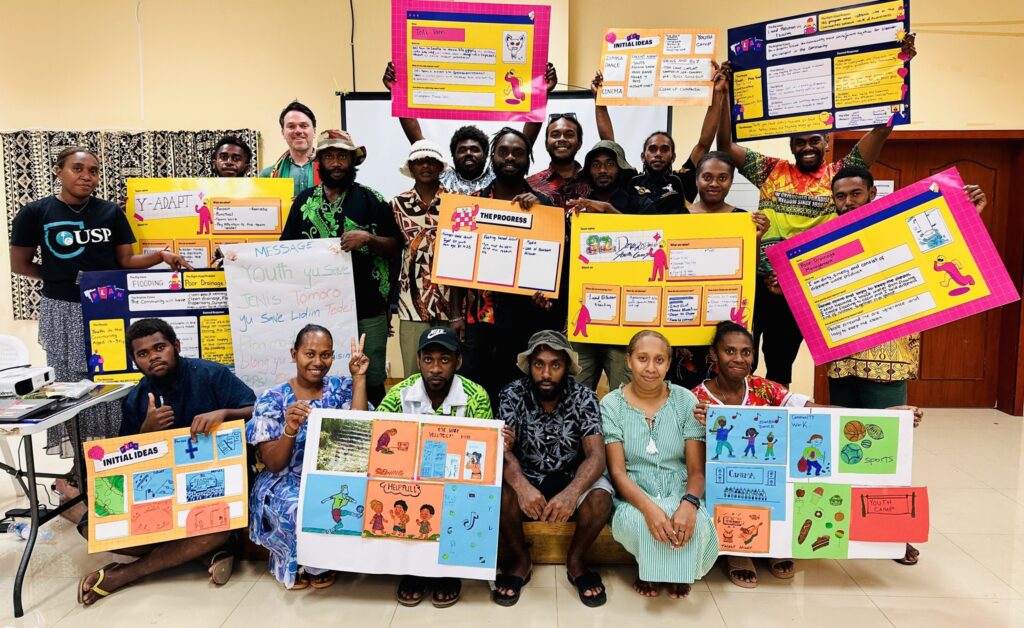
The solution has been piloted and implemented in Vanuatu, primarily in Port Vila (Efate Island). SHIFT is a global youth engagement model developed by Save the Children, and in the Pacific it has so far been implemented only in Vanuatu, with Save the Children Solomon Islands now beginning the process of taking on the initiative. In Port Vila, SHIFT‑supported youth‑led climate campaigns have been implemented with the Erakor Bridge Youth Association, Dausake SHIFT Youth Group, Seaside Climate Ambassador Youths, Ntalpuk Ning Epang Faum (Pango Youth), and Mele Yone Youth. These groups have engaged directly with community‑level climate and environmental challenges, generating lived experience, evidence, and insights. In Santo (Espiritu Santo Island), implementation with youth groups in Pepsi and Sarakata communities is scheduled to commence in July, with groundwork and preparation currently underway. NextGen is a Vanuatu‑developed youth advocacy model implemented within Save the Children. While rooted in Vanuatu, NextGen has already contributed to regional and international impact by supporting youth from these communities to engage in national, regional, and global climate platforms using evidence generated through grassroots action. This positions the model for continued expansion across the Pacific.
Learn more:
https://www.facebook.com/watch/?v=794759403671262
https://www.shiftnow.org/change/seaside-climate-ambassadors
https://www.shiftnow.org/change/erakor-bridge-youth
https://www.shiftnow.org/change/dausake-youth
https://www.shiftnow.org/change/nnefa
https://www.dailypost.vu/news/save-the-children-equips-young-leaders-through-shift/article_2b2ec28a-9e6c-5deb-92e1-9570001b465f.html
https://www.facebook.com/watch/?v=1165108985375715
https://www.dailypost.vu/news/nextgen-youth-ambassador-programme-empowers-ni-vanuatu-youth-to-tackle-climate-crisis-on-global-stage/article_7f378ecf-0cfc-59b8-9e6e-bc111224b635.html
https://www.facebook.com/SaveTheChildrenVanuatu/posts/a-proud-moment-for-vanuatus-next-generation-today-our-nextgen-ambassadors-stood-/1053035783605286/