
Brief overview
Estuari is a social enterprise working across the Pacific to strengthen climate resilience through integrated engineering, data, and community-led approaches. We specialise in bridging STEM innovation with locally grounded humanitarian and development practice. Our work focuses on climate-resilient infrastructure that is accessible to all, including early warning systems, nature-based solutions, water, wastewater and flood management, ensuring solutions are technically robust and socially equitable. Through partnerships with research institutions, governments, and communities, Estuari supports the design, pilot, and scale-up of practical innovations that reduce disaster risk and enhance the adaptive capacity of Pacific communities and institutions.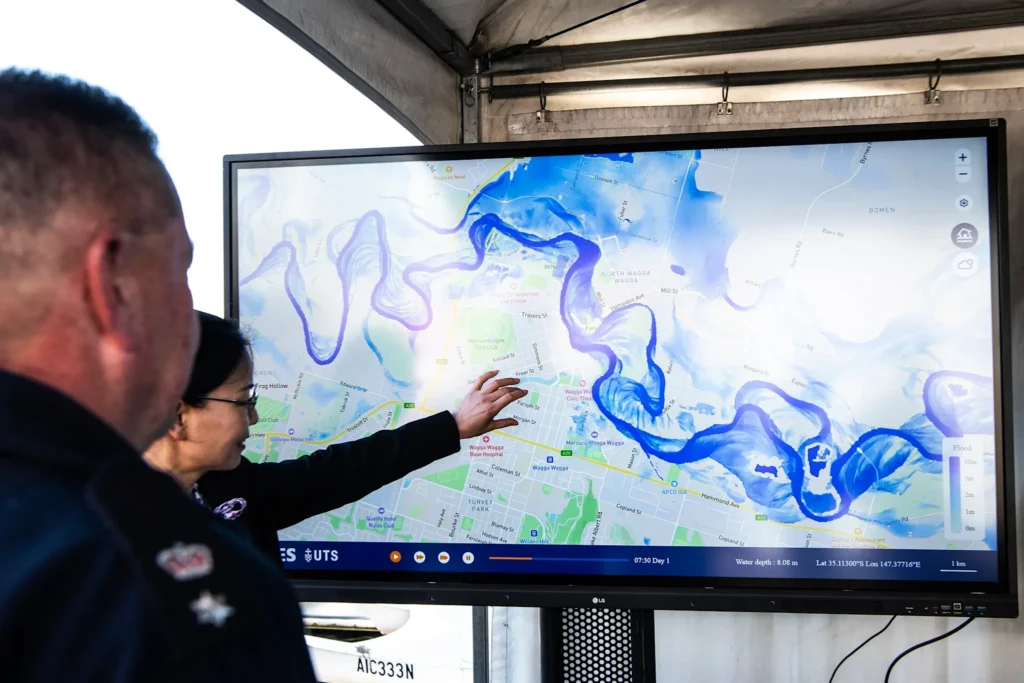
Your organisation’s goals
Estuari delivers integrated services across climate resilience, water security, and disaster risk reduction, with a focus on practical implementation in complex environments. Our core services include: – Climate-resilient infrastructure: Technical advisory and design support for water, sanitation, and community infrastructure that is robust to climate variability and extreme events. – Early warning systems and anticipatory action: Design and strengthening of multi-hazard early warning systems that enable timely, locally relevant decision-making. This includes hydrological analysis, data integration, impact analysis, and community-centred communication systems. – Climate and environmental analytics: Application of emerging technologies, including remote sensing and AI-enabled modelling, to improve understanding of climate risks and environmental change. – Community engagement and co-design: Ensuring solutions are locally led, culturally appropriate, and aligned with community priorities, including safeguarding Indigenous knowledge. – Partnership development and systems strengthening: Facilitating collaboration between governments, private sector, research institutions, and civil society to deliver scalable climate solutions. Across all services, Estuari emphasises equitable outcomes, recognising that climate impacts are disproportionately experienced by marginalised groups and that solutions must be inclusive by design.Describe your innovation
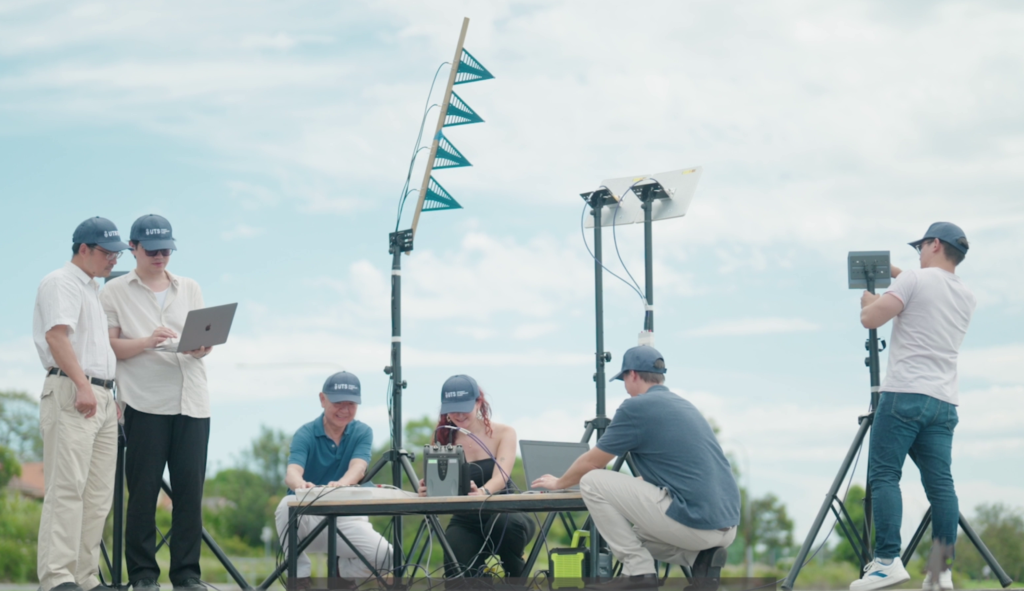
Estuari’s flagship innovation is its Early Warnings for All (EW4A) Systems Partnership, integrating advanced sensing technologies with community-led early warning systems. The innovation combines: – Real-time environmental sensing using telecommunications networks (in partnership with the UTS Network Sensing Lab), which transforms existing mobile infrastructure into distributed sensors for rainfall, water levels, and flood dynamics. – AI-enabled flood prediction and digital twin modelling, providing high-resolution, real-time forecasts of flood extent and impacts. – Multi-hazard data integration and impact analysis, linking environmental data with social vulnerability to identify who and what is most at risk. – Two-way, community-centred communication systems, ensuring warnings are actionable, accessible, and aligned with local knowledge and priorities. This innovation directly addresses climate change challenges by improving preparedness for increasingly frequent and intense climate-driven hazards such as floods and cyclones. Profoundly, this is achieved through the use of existing telecommunications infrastructure, minimising the need for investment in new, standalone meteorological and sensor hardware that is costly and difficult to maintain. For Pacific Island Countries and Territories, the solution is particularly relevant due to: – Directly addresses Pacific Countries and Territories’ high exposure to climate hazards. – Highly cost-effective, leveraging telecommunications infrastructure already in place across the Pacific. – Addresses the challenge of geographic dispersion of communities, especially in island communities. – Readily scalable. – Complements existing early warnings systems, and readily integrates local knowledge. By integrating cutting-edge technology with locally led systems, EW4A enables earlier, more equitable, and more effective responses, reducing loss of life, protecting livelihoods, and strengthening long-term climate resilience.